Securing a professional pest control service Charlotte homeowners can rely on means halting structural degradation and stopping biological contamination without indiscriminate chemical exposure. From red clay subterranean termite pressure near Freedom Park to heavy German cockroach outbreaks in urban multi-family crawl spaces, localized infestations demand direct environmental corrections.

Pest control service in Charlotte is an integrated inspection, physical exclusion, and targeted mitigation process designed to eliminate wood-destroying insects, structural invaders, and perimeter pests from residential and commercial structures across Mecklenburg County.
Every service reflects the same meticulous attention to detail, whether it's a single job or a larger pest control service project across Charlotte.
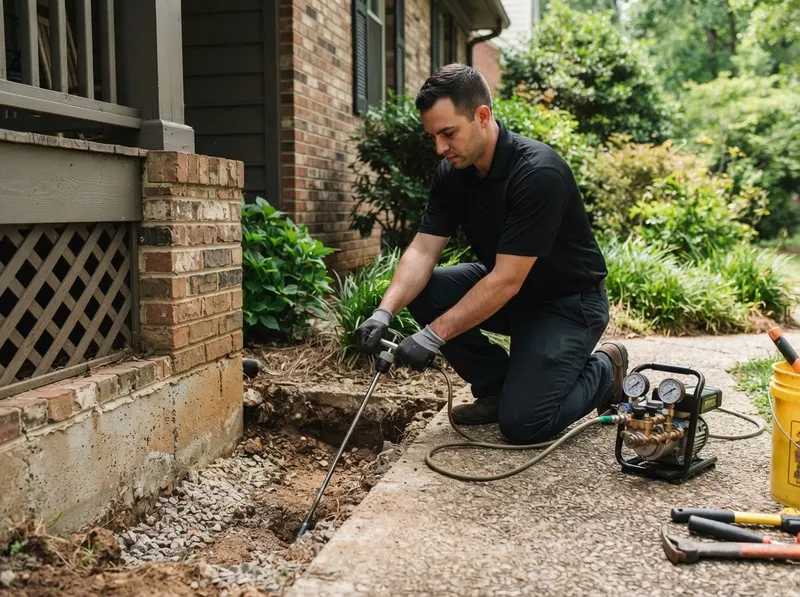
Subterranean termite treatment applies non-repellent liquid termiticides or direct monitoring stations along foundation stem walls to eradicate Eastern subterranean termite (Reticulitermes flavipes) colonies attacking structural framing members. In Charlotte, dense iron-rich Cecil soil holds ground moisture against foundation blocks, allowing worker termites to build protective mud tubes upward from subterranean nests into floor sills, band joists, and structural wall studs. Technicians dig narrow six-inch by six-inch trenches directly adjacent to exterior foundation walls, drilling masonry voids and injecting specialized liquid termiticides at a measured rate of four gallons per ten linear feet. Because modern termiticides are non-repellent, foraging worker termites pass through the microscopic barrier undetected, grooming each other and transferring the active agent directly back to the egg-laying queen inside the subterranean colony. Interior inspections examine basement joists, crawl space subfloors, and interior baseboards using high-resolution thermal imaging to locate active internal moisture pockets caused by termite activity without punching exploratory holes through finished drywall. Standard treatment protocols incorporate yearly structural re-evaluations, warranty renewals, and exterior perimeter monitoring station grids placed at ten-foot intervals around the home perimeter to intercept approaching colonies before structural timber contact occurs.
Get a quote →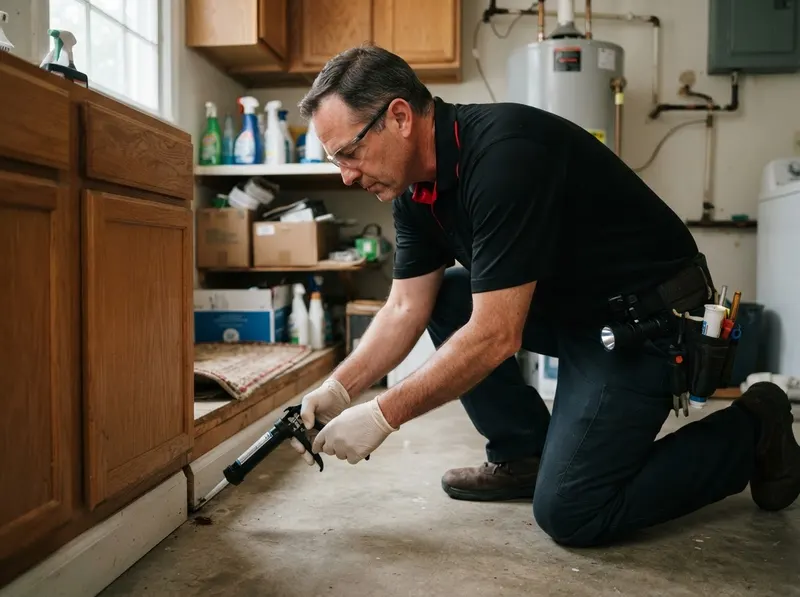
Targeted German and American cockroach management utilizes insect growth regulators, micro-encapsulated baits, and crack-and-crevice vacuuming to clear kitchen harboring zones and plumbing chases without airborne pesticide contamination. German cockroaches (Blattella germanica) reproduce rapidly in warm, humid microclimates around residential refrigerator compressors, dishwasher kick-plates, and interior wall voids, producing allergen-rich droppings that trigger acute childhood asthma and contaminate food prep surfaces. Rather than releasing toxic chemical bug bombs that scatter breeding females into interior wall cavities, service technicians apply specialized abamectin or indoxacarb gel baits into tight microscopic seams, wall plate gaps, and cabinet hinges. These slow-acting chemical matrices allow nymphs and adult roaches to ingest the bait and return to deep aggregation harborages, distributing the lethal active compound to the wider population through secondary ingestion and necrophagy. Technicians follow bait placements by installing physical silicone seals around sink supply pipes, drain lines, and electrical junction boxes to block roach movement between neighboring rooms. For large smokybrown and American cockroaches entering ground-floor crawl spaces and basements from Charlotte storm sewers and tree mulch beds, exterior perimeter granular baiting and door sweep replacements prevent perimeter invaders from migrating indoors.
Get a quote →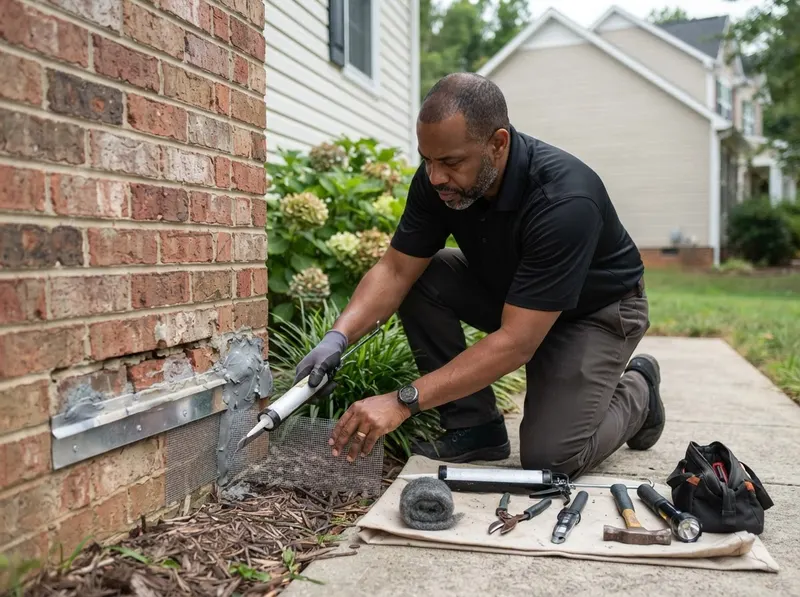
Complete rodent exclusion seals attic louvers, crawl space vents, and roofline transition gaps with heavy-gauge galvanized hardware cloth, stopping Norway rats, roof rats, and house mice from nesting within wall cavities. Commensal rodents enter residential structures through construction gaps as small as one-quarter inch, gnawing through electrical wire jackets, soiling attic cellulose insulation with urine, and introducing ectoparasites like fleas and mites into living spaces. Technicians conduct exhaustive 360-degree exterior home envelope inspections, identifying chewed fascia boards, compromised crawl space foundation louver screens, air conditioning line-set chases, and roof drip edge openings. Technicians permanently seal all identified entry voids using stainless steel wire wool, metal flashing, elastomeric sealants, and twenty-gauge quarter-inch galvanized steel mesh that rodents cannot chew through. Once physical exclusion is verified, interior trapping programs strategically deploy mechanical snap traps within drop ceilings, attics, and crawl space run lines to rapidly remove any animals trapped inside the building envelope without using indoor rodenticides, eliminating the hazard of toxic secondary pet poisoning and avoiding foul odors caused by rodents decaying inside enclosed drywall cavities. Post-trapping protocols include biological enzymatic spray applications to digest pheromone trails and neutralize rodent droppings.
Get a quote →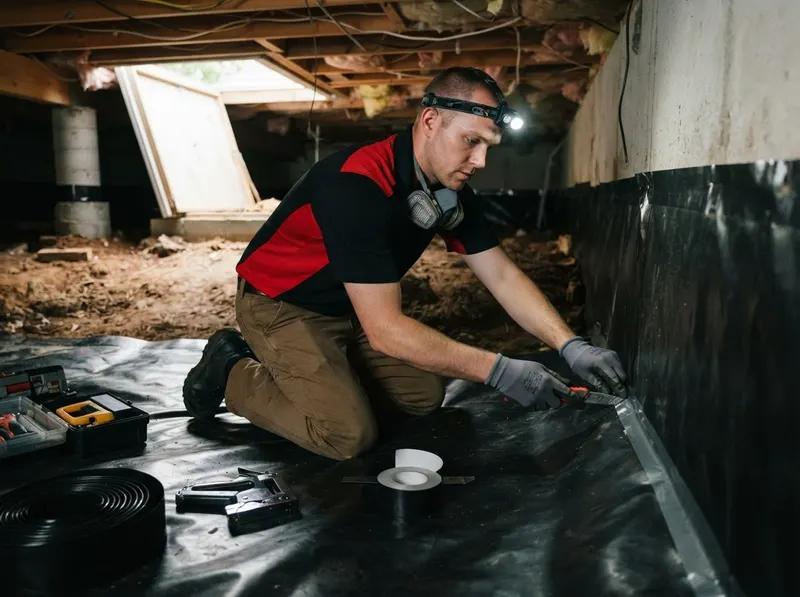
Moisture mitigation installs thick vapor barriers, commercial crawl space dehumidifiers, and foundation wall penetrations to maintain structural timber relative humidity below 15% and stop moisture-dependent wood rot. The Piedmont region experiences extreme ambient relative humidity from May through October, pulling hot, moisture-saturated outdoor air into unconditioned, vented foundation crawl spaces where it condenses against cool structural floor joists, fiberglass insulation, and ductwork. This chronic condensation raises wood moisture content above 20%, creating ideal breeding environments for wood-decaying fungi, powderpost beetles (Lyctinae), and destructive dampwood insect colonies, while causing expensive hardwood floor cupping inside upstairs living areas. Technicians remove contaminated, falling insulation batts, level the crawl space dirt floor, and install a continuous, puncture-resistant 12-mil or 20-mil virgin polyethylene vapor barrier across the exposed earth, wrapping piers and securing seams with heavy-duty waterproof butyl tape. Foundation wall vents are structurally sealed with rigid foam insulation panels, and high-capacity, energy-efficient crawl space dehumidifiers with automatic condensate drainage pumps are installed to continuously regulate humidity below the crucial 60% threshold, ensuring a dry foundation environment that completely prevents moisture-loving insect infestations.
Get a quote →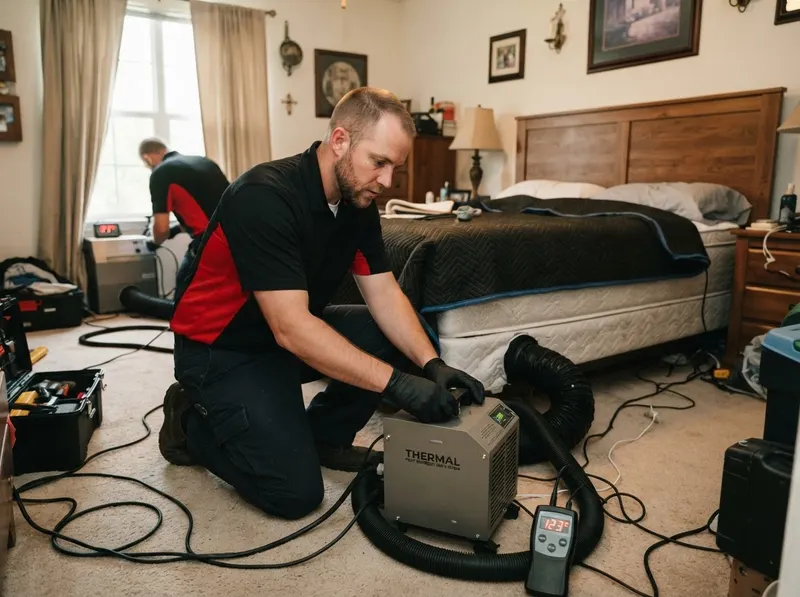
Bed bug treatments combine sustained thermal convective airflow exceeding 122 degrees Fahrenheit with targeted perimeter desiccant dusts behind baseboards to destroy bed bug life cycles from eggs to adults. Bed bugs (Cimex lectularius) hide within mattress seams, headboard joints, electrical outlets, and baseboard crevices, emerging at night to feed and causing intensely itchy, allergic skin welts along with severe sleep disruption. Chemical-only spray applications frequently fail because modern bed bug strains have developed widespread genetic resistance to common pyrethroid insecticides, and sprays rarely penetrate deep inside concealed egg clutches. Specialized whole-room convective heating units raise interior ambient air temperatures to a target range of 122°F to 135°F, circulating heated air evenly through living spaces using industrial high-velocity fans to penetrate deep into upholstered furniture, box springs, and structural wall framing. This lethal thermal threshold denatures cellular proteins across all biological developmental stages within hours, killing adults, nymphs, and eggs in a single targeted visit. Technicians reinforce this thermal eradication by injecting long-lasting, non-toxic amorphous silica gel dust behind electrical faceplates and along structural baseboard edges, providing an invisible, non-chemical desiccant barrier that dehydrates any newly introduced bed bugs for long-term residual protection.
Get a quote →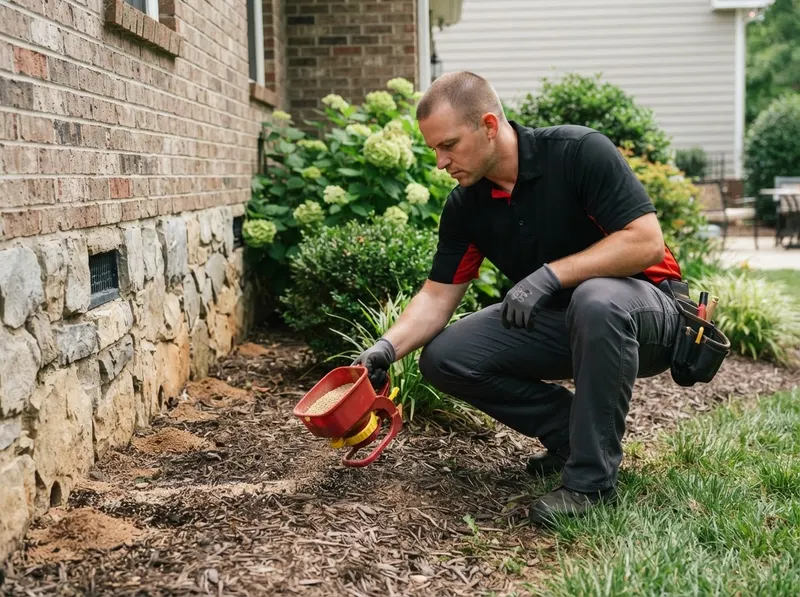
Fire ant perimeter suppression applies biological growth regulators and targeted mound treatments across residential turfgrass to eliminate invasive red imported fire ant (Solenopsis invicta) queens and prevent outdoor sting hazards. Red imported fire ants establish aggressive colonies throughout the warm Carolina red clay soils of residential lawns, sports fields, and landscaped flower beds, building large raised earthen mounds that damage mowing equipment and present real medical risks to curious children and outdoor pets. When disturbed, hundreds of worker fire ants emerge aggressively, latching on with their mandibles and delivering repeated alkaloid venom injections that produce painful, burning pustules prone to secondary infections or severe systemic allergic reactions. Technicians use precision broadcast spreaders to distribute specialized, low-dose insect growth regulator (IGR) granular baits across the entire landscape envelope twice annually during active foraging seasons. Foraging worker ants collect these nutrient-rich protein and lipid bait granules, carrying them deep below ground into the subterranean nest chambers to feed the colony queen. The active insect growth regulator halts the queen's reproductive capacity and prevents immature larvae from molting into adult workers, causing the colony to collapse naturally from within over several weeks without saturating the home turf with toxic broadcast contact poisons.
Get a quote →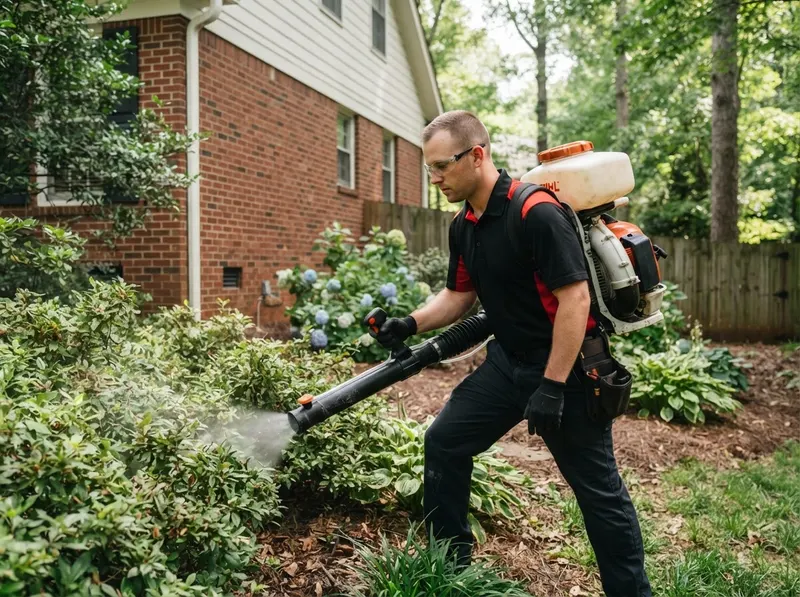
Targeted mosquito treatments apply eco-conscious micro-encapsulated larvicides to standing water zones and treat resting foliage along shaded shrub lines to interrupt breeding cycles from May through September. The Asian tiger mosquito (Aedes albopictus) thrives in Charlotte's warm, humid summers, breeding in micro-reservoirs of standing water found inside clogged roof gutters, landscape drainage catch basins, potted plant saucers, and hollow tree canopies. These aggressive daytime biters disrupt outdoor patio use and present vector risks for mosquito-borne illnesses like West Nile virus. Rather than utilizing non-selective chemical thermal fogging that harms beneficial native pollinators like honeybees and butterflies, technicians implement an ecologically focused barrier reduction protocol. Technicians conduct a thorough property walk-through to locate and eliminate active breeding containers, treating non-drainable standing water sources such as bird baths and decorative ponds with biological Bacillus thuringiensis israelensis (Bti) larvicide dunks that target mosquito and black fly larvae exclusively without harming aquatic wildlife, plants, or pets. Technicians then apply micro-encapsulated residual formulations directly to the shaded undersides of dense perimeter foliage, deck framing, and landscape shrubs where adult mosquitoes rest during peak daylight hours, creating a durable barrier that eliminates adult pests upon contact.
Get a quote →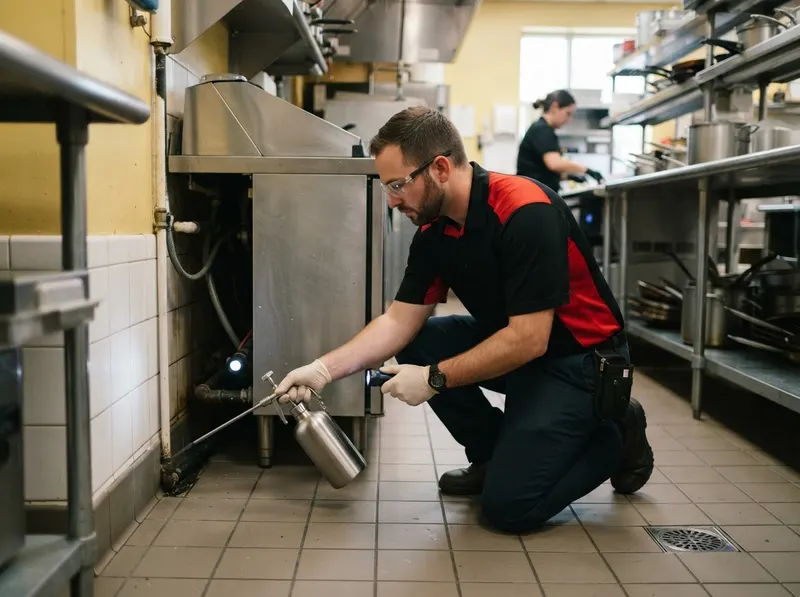
Commercial restaurant pest services integrate floor drain biofilm digestion, grease trap monitoring, door sweep installations, and food-safe insect growth regulators to uphold strict county health inspection codes. Commercial kitchens, dining rooms, and food storage facilities face relentless insect pressure from drain flies (Psychodidae), fruit flies (Drosophila melanogaster), German cockroaches, and rodents attracted to constant sources of moisture, warm refrigeration motors, and food waste residues. Technicians deliver comprehensive commercial Integrated Pest Management protocols designed to satisfy Mecklenburg County Health Department sanitation guidelines while avoiding chemical contamination near food preparation surfaces. Technicians apply specialized biological foaming enzymes directly down commercial kitchen floor drains, beverage station trays, and grease traps to digest the thick organic gelatinous biofilm layers where drain flies lay their eggs. Exterior receiving doors, dock seals, and storage room thresholds are reinforced with heavy-duty metal-backed nylon brush door sweeps to block pest entry from exterior dumpsters. Technicians install tamper-resistant monitoring stations and food-safe pheromone insect traps in non-food contact utility chases, providing documented, inspection-ready digital reporting logs after every service visit to guarantee regulatory compliance and safeguard commercial reputations.
Get a quote →You get a firm, itemized quote for your pest control service before any work begins, no surprises, no pressure.
Careful prep, tidy work, and a full cleanup when we are done. We treat your home and belongings like our own.
The same trusted, background-checked team from the first call to the final check.
If active structural tunneling, mud tubes, or pinhole drywall exits appear, select targeted subterranean termite liquid barrier remediation or localized non-repellent termiticide perimeter trenching. If scurrying sounds, chewed electrical wiring insulation, or droppings occur in attic or crawl space insulation, choose complete mechanical wildlife and rodent exclusion paired with sanitization. If musty floorboards, cupping hardwoods, or fungal growth surface beneath living rooms, select crawl space moisture remediation, heavy 12-mil vapor barrier encapsulation, and commercial dehumidification.
If trailing lines of biting insects colonize open turf and outdoor recreation zones, implement targeted fire ant biological growth regulators across the yard. The critical operational trade-off centers on upfront mechanical remediation versus ongoing topical chemical suppression: sealing foundation vents, closing pipe penetrations with copper mesh, and reducing structural moisture permanently removes the physical conditions pests require to survive, whereas repeated basic exterior spraying offers temporary knockdown without repairing the building envelope vulnerabilities that invited pests initially. Choosing physical exclusion requires a larger initial capital investment between $650 and $1,850, but eliminates the monthly recurring chemical application fees of $45 to $75 that traditional exterminators charge over five- to ten-year contracts.
For severe wood-destroying organism attacks, spot-treating drywall with retail aerosol sprays saves money in the first forty-eight hours but leaves the hidden queen termite colony and subterranean galleries active deep under the brick foundation footers, risking thousands of dollars in hidden subfloor structural collapse. Mechanical crawl space encapsulation requires upfront investment in specialized equipment and heavy-duty vapor barriers, but it simultaneously lowers household cooling costs by up to 15% across humid Carolina summers, prevents the structural floor sag caused by brown wood-rot fungi (Coniophora puteana), and starves wood-eating beetle larvae of the 18% moisture threshold necessary for structural digestion.
Every project gets a firm, written price after a free on-site visit. Ranges below for orientation.
Tell us about your pest control service job and we'll send a clear, written quote, usually the same day. Or just call and talk to a real Charlotte pro.
(980) 381-4461
Charlotte sits directly over dense, iron-rich Cecil clay soil, which expands during spring rainstorms and retains severe subsurface moisture around vented crawl space foundations common in historic neighborhoods like Dilworth and Myers Park. High ambient humidity near landmarks such as the UNC Charlotte Botanical Gardens, Freedom Park, and the Catawba River basin creates aggressive conditions for wood-boring pests, dampwood termites, and silverfish when crawl space wood moisture content exceeds 18%. In older bungalows throughout Plaza Midwood and NoDa, shallow stone-and-brick foundations frequently lack modern sub-slab poly barriers, allowing soil vapor to rise unhindered into pine floor framing. Conversely, expansive suburban slab-on-grade developments in Ballantyne and University City face recurring problems with red imported fire ants nesting against warm concrete foundation perimeter footers, as well as roof rats using mature hardwood tree canopies along neighborhood greenways to access attic dormers and ridge vents. When heavy summer downpours sweep along Interstate 77 and the Interstate 485 perimeter loop, saturated yard soils force ground-dwelling American cockroaches and field rodents to seek immediate dry harborages inside residential basements, air conditioning line-set chases, and crawl spaces. Implementing low-impact physical exclusion alongside structural moisture controls permanently stabilizes these building envelopes, preventing destructive insect nesting while safeguarding family living spaces and pets from unnecessary chemical exposure and runoff into fragile Mecklenburg County watersheds like Sugar Creek and Lake Norman.
Free estimates for Charlotte & the surrounding area.
 Red Cedar Pest Control